
On this page
Building Success: How Quality Construction Shapes Stronger Real Estate
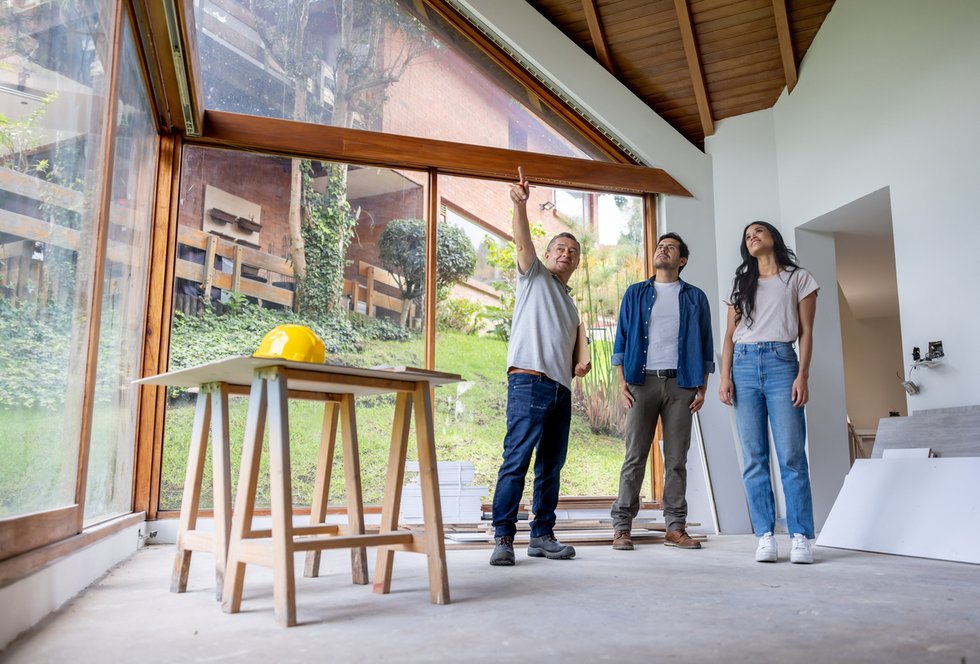 Quality construction is the backbone of the real estate market, influencing property value, buyer satisfaction, and long-term investment success. In this blog from Real Estate Realm, we explore the relationship between quality construction and real estate value. We'll uncover how meticulous craftsmanship and durable materials can lead to stronger investments.
The Impact of Quality Construction on Property Value
When it comes to real estate, the phrase "you get what you pay for" rings especially true. Quality construction can significantly influence property value, and understanding this relationship is crucial for homeowners, investors, and builders alike. So, let's break down how quality construction impacts property value and why it matters to landlords and tenants.
Understanding Quality Construction
Quality construction involves using superior materials, skilled craftsmanship, and adhering to best practices throughout the building process. Think of it like cooking a meal: using fresh, high-quality ingredients will yield a better dish than using stale or low-quality ones. Similarly, in construction, the foundation, framing, roofing, and finishing touches all contribute to the overall quality of the property.
The Direct Impact on Property Value
1. Increased Durability and Longevity: Properties built with quality materials tend to last longer and require less maintenance over time. For instance, a well-constructed roof can withstand harsh weather conditions, reducing the need for repairs.
2. Enhanced Aesthetic Appeal: Quality construction often results in better design and craftsmanship. Homes that are aesthetically pleasing attract more buyers and can command higher prices. Think about it: a well-designed home with quality finishes like hardwood floors and granite countertops not only looks good but also feels good.
3. Energy Efficiency: Nowadays, energy-efficient homes are in high demand. Quality construction often incorporates energy-efficient materials and systems, such as high-quality insulation, energy-efficient windows, and modern HVAC systems.
4. Safety and Compliance: Quality construction means adhering to building codes and regulations, which ensures safety. Homes that meet or exceed these standards are more valuable because they provide peace of mind to buyers.
5. Market Perception: The real estate market often reflects the quality of construction. In areas where high-quality homes are the norm, properties that don’t meet this standard can struggle to sell or may sell for less. Conversely, homes in neighborhoods known for quality construction can benefit from increased demand and higher property values.
The Role of Location
While quality construction plays a vital role in property value, it’s important to remember that location also matters. A well-constructed home in a desirable neighborhood can command a significantly higher price than a similar home in a less sought-after area. However, even in a prime location, if the construction quality is poor, the property value will likely suffer. Buyers often look for a combination of both quality and location when making decisions.
The Long-Term Investment Perspective
Investing in quality construction may require a higher upfront cost, but it can pay off in the long run. Homebuyers and investors alike should view quality construction as a long-term investment. Properties that are built to last not only maintain their value better but also appreciate over time.
How to Assess Quality Construction?
If you're in the market for a new home or considering a property investment, it’s essential to know how to assess construction quality. Here are some tips:
Inspect Materials: Look for high-quality materials, such as solid wood instead of particle board, and ensure that the finishes are durable and well-installed.
Hire a Professional Inspector: Consider hiring a professional inspector who can evaluate the property’s construction quality and identify any potential issues.
Research the Builder: Investigate the reputation of the builder. A builder known for quality workmanship is a good sign that the property will hold its value.
Building Trust Through Quality Construction: The Buyer’s Perspective
When you're in the market for a new home or commercial property, trust is a cornerstone of the buying process. You want to feel confident that the structure you’re investing in is built to last. Quality construction isn’t just about aesthetics; it’s about ensuring safety, durability, and value for your investment. Let’s dive into how quality construction builds trust from a buyer’s perspective.
Understanding Quality Construction
Quality construction encompasses a range of factors that contribute to the overall integrity of a building. This includes the materials used, the expertise of the builders, adherence to safety standards, and attention to detail in every phase of the quality construction process. Buyers often look for specific indicators of quality:
Materials: High-quality materials resist wear and tear, ensuring that the building lasts longer and requires less maintenance over time.
Workmanship: Skilled labor is crucial. Experienced builders know how to execute designs properly, ensuring that everything from the foundation to the roof is constructed correctly.
Safety Standards: Compliance with local building codes and regulations is non-negotiable. A reputable builder will prioritize safety, ensuring that the quality construction meets all necessary standards to protect the occupants.
The Emotional Aspect of Trust
Buying a property is often an emotional journey. You’re not just purchasing a physical space; you’re investing in a future. When buyers perceive that a builder prioritizes quality, it fosters confidence and peace of mind. Here’s how:
Peace of Mind: Knowing that your home is built with care allows you to focus on making it your own rather than worrying about potential structural issues.
Long-Term Investment: Quality construction often translates to higher resale value. Buyers are more likely to trust properties that have a reputation for quality, making them easier to sell down the line.
Community Reputation: Builders who consistently deliver quality work develop a reputation in the community.
Signs of Quality Construction
As a buyer, you should be aware of what to look for when assessing the quality of a construction project. Here are some signs that can help you gauge the trustworthiness of a builder:
Transparency: A trustworthy builder will be open about their processes, materials, and any potential issues.
Portfolio of Work: Reviewing previous projects can give you insight into a builder's capabilities. Look for consistency in quality and attention to detail across their work.
Warranty and Aftercare: Quality builders often offer warranties on their work, which can provide additional reassurance.
The Role of Inspections
Before finalizing a purchase, it’s essential to conduct thorough inspections. A professional inspector can evaluate the construction quality and identify any potential problems. Here’s why this step is crucial:
Uncovering Hidden Issues: An inspector can identify issues like poor electrical work or inadequate insulation that could lead to bigger problems down the line.
Negotiating Power: If the inspection reveals significant issues, you may have leverage to negotiate repairs or a lower price.
Building Trust with the Builder: A builder who is willing to address inspection findings demonstrates their commitment to quality.
The Buyer’s Responsibility
While builders play a significant role in ensuring quality construction, buyers also have responsibilities. Being proactive can help you make informed decisions:
Research: Take the time to research builders and their reputations. Look for reviews, testimonials, and any red flags that might indicate poor quality.
Ask Questions: Don’t hesitate to ask questions about materials, processes, and timelines. A good builder will appreciate your interest and provide thorough answers.
Stay Involved: If possible, stay engaged throughout the quality construction process. Regular visits to the site can help you stay informed and ensure that the work meets your expectations.
With a track record of delivering both residential and commercial developments, B2B Realty stands out for its commitment to quality and client-focused construction solutions.
Sustainable Construction Practices: A Growing Trend
Explore the rise of sustainable construction in real estate. Discuss eco-friendly materials, energy-efficient designs, and how these practices not only benefit the environment but also appeal to modern buyers. Share statistics on how sustainability can enhance property marketability and value.
The Importance of Sustainable Construction
The construction industry is one of the largest contributors to global carbon emissions. According to the United Nations, buildings account for nearly 40% of energy-related carbon emissions. By adopting sustainable construction practices, we can significantly reduce these emissions, conserve resources, and create healthier living spaces and quality construction.
The Role of Technology in Sustainable Construction
Technology is playing a pivotal role in the evolution of sustainable construction practices. Innovations such as Building Information Modelling (BIM) allow architects and builders to plan and visualise projects more efficiently, identifying potential issues before they arise. This not only saves time and money but also helps in making more sustainable choices.
Challenges in Implementing Sustainable Practices
While the benefits of sustainable construction are clear, several challenges remain. One of the biggest hurdles is the initial cost. Sustainable materials and technologies may have a higher upfront cost, which can deter some builders and homeowners.
Closing Thoughts
When it comes to real estate, the quality of construction plays a pivotal role in shaping success. High-quality buildings not only attract potential buyers but also enhance property value over time. Investing in quality construction means prioritizing durability, safety, and aesthetic appeal, which ultimately leads to satisfied occupants and a thriving community. By focusing on quality, you're not just building construction structures; you're creating lasting legacies that contribute to a stronger real estate market.
Let's make a future with BlogBuzz where quality leads the way to success.