


Seeing the World Through a Human Lens: Work, Wellness, and What Matters Most
We live in a world where everything is connected, yet more than ever, it’s the human stories that captivate us. Behind every trend, every innovation, every data point, a person is navigating their morning routine, making parenting decisions, rethinking work-life balance, or simply trying to make sense of their emotions. Human Lens is here to zoom in on that world, not from a distance, but from right where you are.
 This space is a gentle pause in a fast-scrolling feed, a place where the human experience takes center stage. It’s where psychology meets everyday behavior, where lifestyle choices reflect deeper human values, and where conversations around food, work, wellness, and relationships become meaningful, shared experiences. Whether you're managing a remote team across time zones, cooking your way through a cultural tradition, or helping your child adapt to digital learning, your life reflects a much bigger human narrative, and we’re here to explore it.
We won’t bombard you with fads. Instead, we’ll focus on themes that remain relevant no matter the decade: how humans live, grow, connect, and thrive. From wellness practices that are grounded and accessible to the evolving definition of success at work, our lens stays fixed on what it truly means to be human in a world of constant technological and social change.
This pillar isn’t about preaching perfection or romanticizing struggle. It’s about real human stories, informed insights, and perspectives that make you feel understood, like someone finally put your thoughts into words. We’ll dig into parenting without pressure, mental health without shame, and lifestyle choices without labels, because the human condition deserves honesty, not idealism.
Behind all the noise, one timeless truth remains: humans matter. And their stories, your stories, deserve a space that listens, reflects, and grows alongside the human journey.
Welcome to Human Lens, a closer look at life through the most important filter of all: the human one.
Behavior Buzz: Decoding the Everyday Human Mind
Understanding what drives human behavior is like holding a flashlight in a dark room. It reveals why we buy, how we decide, and what shapes our routines. At its core, human behavior is less about logic and more about patterns, some conscious, many unconscious. Let’s take a closer look at the fascinating ways our minds steer our everyday choices.
Why We Choose What We Choose?
Every decision we make, from picking a breakfast cereal to booking a vacation, is influenced by more than just facts. Psychology calls it “bounded rationality,” meaning human choices are often made with limited information, time, and brainpower. Studies show that 90% of purchase decisions are made subconsciously, shaped by emotion, not just logic. The human brain takes mental shortcuts, also known as heuristics, that help it cope with information overload.
Habits: The Invisible Scripts
Much of human behavior is driven by habit. Whether it’s the way you scroll through your phone first thing in the morning or how you reach for the same snack at 4 PM, these actions are often on autopilot. Research from Duke University found that about 45% of daily human behavior is habitual. That means we’re not always making conscious choices; we’re just repeating patterns that feel familiar or rewarding.
What Makes Us Buy and Why It Matters?
Buyer psychology has less to do with product features and more with how something makes us feel. The human tendency to follow social proof, fear of missing out, or act on limited-time offers is well documented. That’s why even simple words like “bestseller” or “last chance” can drive people to act. Brands that understand human psychology don’t just sell, they connect.
As we move through an increasingly digital world, understanding human behavior helps us stay grounded. It teaches us to pause before reacting, to build better habits, and to recognize the small nudges that shape our big decisions. In short, the more we understand the human in us, the more intentional we become.
The Juggle Is Real: Inside the Modern Family
Family life today doesn’t come with a single definition; it’s a patchwork of dynamics, choices, and evolving expectations. From co-parenting across continents to sharing chores with voice assistants, the modern human family is rewriting every rule in the book.
Parenting, once grounded in traditions, now involves navigating screen time debates, emotional intelligence, and global influences. The human experience of raising a child is more connected and more complex than ever before. One parent might be attending a virtual PTA meeting while the other is handling bedtime in a different time zone. Flexibility isn’t just nice to have for the modern human; it’s a survival.
According to the UNICEF Parenting Hub, routines and responsive care are the two most important anchors in early child development, no matter where you live. But let’s be honest: many families are doing their best to stay afloat in an ocean of online advice, digital distractions, and busy calendars, with human patience stretched thin and human instincts often second-guessed by endless information.
At the heart of the modern home is not perfection, but participation. Partners share roles, kids speak up more, and families embrace new forms of togetherness that are no longer dictated by geography or fixed schedules. The human connections within households have become more about open communication, emotional flexibility, and mutual understanding, and less about rigid structure. Parenting is no longer about following rules; it's about showing up fully as a human being for other human beings.
Here are some emerging patterns in the family dynamic:
Digital Bonding: Watching shows, gaming, or video-calling extended family across the globe creates human moments through screens.
Flexible Parenting: From stay-at-home dads to remote-working moms, the balance is shifting, and so is the definition of human roles in caregiving.
Emotional Literacy: More parents are helping their children name, express, and process feelings early, nurturing well-rounded human development.
Even in the busiest homes, the need for love, safety, and support remains constant. What’s changing is how families deliver those essentials, with empathy, humor, and the belief that every human in the household matters deeply.
So, whether it’s managing a toddler tantrum between Zoom calls or negotiating curfews with teenagers who are more informed than ever, the modern family is not just surviving, it’s adapting. These shifts reflect not only the flexibility of today’s homes but also the strength, compassion, and resilience of the human spirit in real time.
Mood Swings and Mind Things: Let’s Talk Mental Health
Let’s face it, being human is a full-time job. Some days, you wake up ready to change the world. On other days, brushing your teeth feels like a win. That’s the thing about mental health. It’s not a linear journey or a checkbox. It’s a mix of moods, motivations, habits, and hiccups that make up the human experience.
Across the globe, conversations around mental wellness are becoming more open and less taboo. From small towns to skyscrapers, people are finally acknowledging that the human mind needs as much care as the body. The world’s increasing pace, digital overload, and blurred work-life boundaries have only amplified the need for stronger human emotional support systems.
According to the World Health Organization, one in eight people globally lives with a mental health condition. That’s not a fringe issue; it’s a global reality. And behind every statistic is a human story. A college student pushing through anxiety. A parent is silently juggling burnout. A colleague who looks fine but carries a hidden weight.
Mental health is deeply personal, but it's also profoundly shared. It thrives in human conversations, support systems, morning routines, and even random acts of kindness. People who talk openly about their struggles often help others feel less alone. That’s why personal stories, even simple ones, can have the power to shift mindsets.
Many human habits also shape mental wellness. Regular movement, good sleep, hydration, and taking short breaks can work wonders. So can cutting back on doomscrolling or setting healthier boundaries at work. And while not every day will feel like a motivational poster, it’s okay. Healing doesn’t have to be heroic; it just needs to be human.
So the next time your mood dips or your motivation slips, remember you’re not broken, you’re just being human. In this ever-connected, always-on world, the kindest thing we can do is make space for real emotions, ask for help when needed, and remind each other that a healthy mind is not a luxury. It’s a basic human necessity.
 When communities normalize check-ins, therapy, and emotional honesty, the ripple effect on human well-being is powerful. Schools that integrate mindfulness programs don’t just improve focus; they help nurture human attention, empathy, and resilience. In the workplace, supporting mental health reduces burnout and enhances human connection, collaboration, and trust. Even small actions, like journaling or opening up to a friend, strengthen our human capacity to process, reflect, and heal. Because in the end, mental wellness isn't about being perfect, it's about being human. It’s about showing up, staying present, and understanding that no human needs to navigate life’s emotional terrain alone.
Sidewalk Chronicles: Where Humanity Lives Next Door
The heartbeat of any city isn’t its skyscrapers or traffic, it’s the people. The ones who wave from balconies, share recipes across fences, and leave chalk art on pavements. Neighborhood life is where the human experience plays out in the rawest, most real form. It’s local, lively, and quietly powerful.
These everyday spaces tell stories louder than headlines. They show how humans connect, adapt, celebrate, and sometimes disagree, all within a few city blocks. Whether it’s a street vendor in Bangkok who knows every regular by name or a retired couple in Lisbon tending to the community garden, life at the local level is deeply human.
According to UN-Habitat, over 55% of the world’s population now lives in urban areas, and that number is expected to rise to 68% by 2050. That means our neighborhoods will become even more critical, not just as places to live, but as spaces that reflect human values, challenges, and dreams.
Crosswalk Connections
Have you noticed how some of the best conversations happen when you’re not trying to have them? At the grocery store line, at the barber’s chair, or while waiting for your dog to finish sniffing every corner of the block. These casual, unplanned encounters remind us that we are all part of a shared human rhythm, no apps required.
Whether it's a festival potluck or a shared water shortage, people tend to bond when their routines overlap. In a world where technology often isolates us, local communities are fighting back with conversation, cooperation, and the occasional neighborhood WhatsApp group.
There’s something quietly powerful about a friendly wave from a crossing guard or the nod of recognition from the same jogger you pass each morning. These small, daily affirmations create a human thread across otherwise anonymous spaces. They ground us. They remind us that despite our differences, we’re all part of a local heartbeat, walking the same sidewalks toward human connection.
Porch Politics and Park Bench Philosophy
Neighborhoods are also where micro-democracy happens. Someone suggests a new recycling rule, and another proposes free weekend yoga in the park. These aren’t grand political gestures, they're human-scale solutions made by people who care.
And guess what? These grassroots moments often lead to a lasting human impact. They build trust. They restore faith in everyday kindness. They remind us that being human is not about grand gestures, but about small, consistent acts that create connection.
From lending sugar to organizing community cleanups, these human interactions make streets feel less transactional and more transformational. They're a reminder that shared spaces shape shared human values. When people invest in their blocks, parks, and public corners, they’re investing in something bigger, which is the soul of a place.
So the next time you're walking down your lane, take a look around. The street isn’t just a route to somewhere else; it’s a stage for human stories worth noticing. You might just find a little wisdom on the welcome mat next door.
Taste Table: Exploring the Emotional Power of Food
Food is never just food. It’s memory, culture, identity, and often, therapy on a spoon. Across the world, what people put on their plates reflects how they live, celebrate, mourn, and connect. That’s what makes food so beautifully human.
A warm bowl of pho in Vietnam, a cheesy slice of pizza in Naples, a hearty lentil stew in Ethiopia, each carries the flavor of a community, a tradition, and a deeply human need for comfort. It’s no wonder people often turn to familiar meals in moments of stress, celebration, or homesickness. The act of cooking and sharing food taps into something primal, yet powerfully human and emotional.
Mood dining isn’t a trend, it’s instinct. Craving carbs after a long day? You’re not alone. According to a CDC report, eating patterns often shift during periods of emotional change, with many humans using food as a way to self-soothe or reconnect with routines. Whether it’s hot tea in winter or ice cream after heartbreak, we eat our feelings, in the most literal, and sometimes healing, sense.
In every culture, meals mark milestones. Births, weddings, and religious rituals all involve food. It’s a human constant. It brings strangers to the same table and reminds families of their roots. Food isn’t just nourishment for the body; it’s nourishment for the human experience.
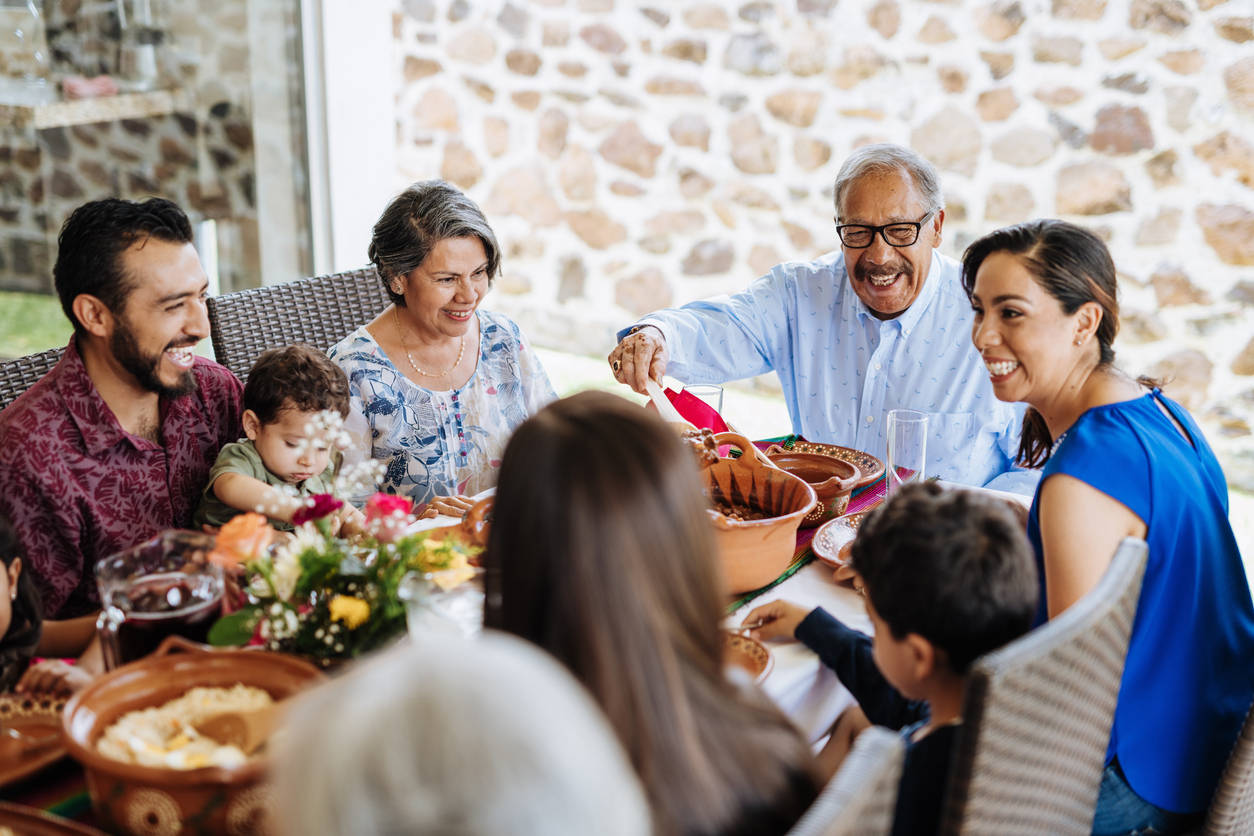 And now, global food culture is expanding beyond borders. A home cook in Brazil might experiment with Korean kimchi. A street vendor in Indonesia might serve vegan tacos. Technology and migration are blending cuisines into new forms, but the emotion behind every dish remains deeply human: comfort, curiosity, and care.
There’s also something beautifully mindful about the way humans prepare food. From kneading dough to garnishing a bowl of soup, these rituals offer moments of pause in a fast world. Cooking gives people agency; it’s a daily chance to create, share, and care for others in a deeply human way. Even the most ordinary meal can feel like a celebration when shared with someone or prepared with intention.
So next time you find yourself savoring your favorite comfort food, remember, it’s not just your taste buds that are happy. Your human self is being reminded of something familiar, safe, and deeply loved.
Work, Wi-Fi, and the Worn-Out Human
The workplace isn’t what it used to be, and that’s both a relief and a challenge. Today’s work life has jumped out of office cubicles and settled into kitchen counters, coffee shops, and digital nomad hubs. Yet, in the process of “flexibility,” many humans are finding themselves stretched thinner than ever.
Hustle culture, once glamorized, is now getting a second look. That endless grind, those emails at midnight, and the pressure to monetize every hobby are wearing people down. According to a recent ILO report, more than 35% of remote workers report feeling isolated or emotionally drained. It’s a quiet burnout that’s becoming far too common.
Remote work was supposed to be the dream: no commute, more time with family, better balance. For many, it still is. But without boundaries, work can bleed into rest, and productivity can silently push out well-being. The average human needs space, not just physical space, but mental and emotional room to recharge.
The new challenge is redefining success. Is it about longer hours or a deeper impact? Is career growth measured in job titles or joy? In many global human conversations, workers are choosing sustainability over speed. Some are opting for four-day work weeks, digital detoxes, or even career pauses to prioritize human health and meaning.
Workplaces are beginning to listen. From implementing mental health days to offering flexibility without micromanagement, a small shift is taking place. Employers are slowly learning that the most valuable resource isn’t time or technology, it’s the human spirit behind the work.
The workplace isn’t just where we earn, it’s where we spend a huge part of our human lives. And for that reason, it must evolve to match the needs of the people within it. That means respecting downtime, rethinking performance, and creating environments where humans can thrive, not just survive.
As the world learns how to balance ambition with awareness, the future of work could become more human than ever, less about hustle, more about harmony.
Through the Human Lens, We See Ourselves More Clearly
As we wrap up this journey through the Human Lens, one thing is clear: our stories, struggles, and small victories are what truly connect us. Whether we’re decoding human behavior, figuring out parenting in a shifting world, finding balance in our minds, or simply savoring a meal that comforts us, these experiences make up the heart of being human.
This blog has touched on the many angles of the human experience. We explored how decisions are shaped by behavior and habit, how modern family dynamics are evolving, and how wellness is no longer a luxury but a necessity. We listened to voices from neighborhoods, peeked into what’s cooking around the world, and looked at the changing face of work. Each section brought us back to one common thread: being human is messy, beautiful, exhausting, and endlessly fascinating.
In a world buzzing with algorithms and automation, tuning into the human side of life isn’t just refreshing, it’s essential. Technology, finance, and real estate all make sense only when they serve people. And at the center of it all is you, the reader, navigating life with curiosity, resilience, and a desire to understand more.
We hope the Human Lens helped you pause, reflect, and smile. There’s more to come, so stick around. Our stories don’t end here. They evolve, just like us. Keep reading, keep feeling, and keep seeing the world through the most important lens of all, the human one.