
On this page
What Home Sellers Should Know Before Putting Their Property on the Real Estate Market?
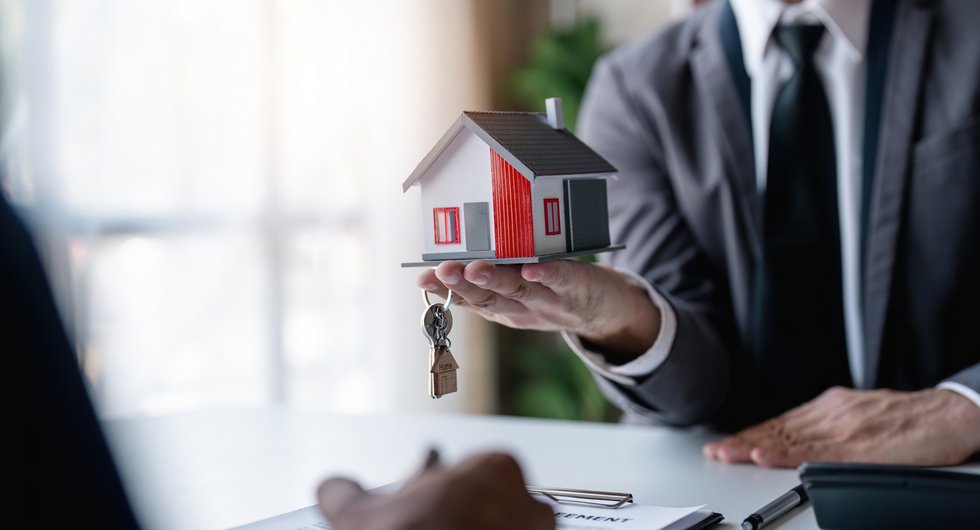 Thinking about selling your home? You're not alone! Many homeowners are eager to step into the real estate market, but there are key factors to consider before putting their home up for sale. In this blog from Real Estate Realm, we’ll dive into essential tips and insights that every home seller should know. Whether you're a first-time seller or have done this before, arming yourself with the right information can make all the difference in achieving a successful home sale.
Understanding Current Real Estate Market Conditions Globally
The global real estate market has seen significant fluctuations over the past few years, influenced by a variety of factors including economic conditions, interest rates, and changing consumer preferences. As we delve into the current state of real estate worldwide, it’s essential to understand the dynamics at play and how they affect different regions and sectors.
Economic Factors Impacting Real Estate
One of the primary drivers of the real estate market is the economy. In many countries, economic recovery post-pandemic has been uneven. While some regions have bounced back robustly, others are still grappling with challenges. For instance, in the U.S., the job market has shown resilience, leading to increased consumer confidence and demand for housing.
Trends Shaping the Future of Real Estate
Several trends are shaping the future of the real estate market globally. One notable trend is the shift towards remote work, which has changed how people view their living spaces. Many are now prioritizing homes with dedicated office spaces or larger living areas, leading to increased demand in suburban and rural areas.
Investment Opportunities in a Changing Market
Despite the challenges, there are still plenty of investment opportunities in the global real estate market. Investors are increasingly looking at alternative assets, such as logistics and industrial properties, which have proven resilient during economic downturns. The rise of e-commerce has driven demand for warehouses and distribution centers, making these properties attractive for investment.
Evaluating Your Home’s True Market Value
Determining your home's true market value is crucial, whether you're looking to sell, refinance, or simply want to understand your investment better. It’s not just about how much you paid for it or what you think it’s worth; it’s about what buyers in your area are willing to pay. So, how do you go about evaluating this? Let’s break it down step by step.
Understand the Basics of Market Value
Market value is essentially what a buyer is willing to pay for your home at a given time. It’s influenced by various factors, including location, condition, and the current real estate market trends. Think of it like a popularity contest; the more desirable your home is, the higher the value.
Start with Comparative Market Analysis (CMA)
One of the most effective ways to gauge your home's value is through a Comparative Market Analysis (CMA). A CMA involves looking at similar properties (often called “comps”) that have recently sold in your area. Here’s how to do it:
1. Identify Similar Properties: Look for homes that are comparable in size, age, and features. Ideally, these homes should be in your neighbourhood or a nearby area with similar market conditions.
2. Check Recent Sales: Look at homes that have sold in the last 3 to 6 months. Real estate markets can change quickly, so recent home sales will give you the most accurate picture.
3. Adjust for Differences: If your home has features that set it apart (like a renovated kitchen or a larger yard), adjust the value of the comps accordingly. For instance, if a comparable home sold but lacks a pool, you might add value to your home’s price based on the pool's worth.
Consider Online Valuation Tools
There are several online tools available that can provide a quick estimate of your home’s value. Websites offer instant home value estimates based on public data. While these tools can give you a ballpark figure, remember they often lack the nuance of a human touch. They might not account for the unique features of your home or the current market sentiment.
Evaluate the Condition of Your Home
The condition of your home plays a significant role in its market value. A well-maintained home can command a higher price than one that’s in disrepair. Here are a few things to consider:
Curb Appeal: First impressions matter. A home with good landscaping, a clean exterior, and an inviting entryway will attract more buyers.
Inspection: Consider getting a professional home inspection. This can help identify any issues that might lower your home’s value and allow you to address them before listing.
Look at Market Trends
Understanding the broader real estate market trends can also help you evaluate your home’s value. Here are some key indicators to watch:
Inventory Levels: If there are fewer homes for sale in your area, it could drive up prices. Conversely, if there are many homes for sale, it might lower your home’s value.
Days on Market: If homes in your area are selling quickly, it’s a sign of a strong market, which can positively impact your home’s value.
Price Trends: Look at whether home prices are rising or falling in your area. This can give you insight into whether it’s a good time to sell or hold onto your home.
Keep an Eye on Economic Indicators
Economic factors can also influence your home’s market value. Keep track of:
Interest Rates: Lower interest rates can make borrowing cheaper, increasing demand for homes and potentially raising your home’s value.
Local Economy: Job growth and economic stability in your area can attract buyers, which can positively impact home prices.
The Role of Emotional Value
Finally, it’s important to remember that your home holds emotional value that can cloud your judgment when evaluating its market value. While you might feel your home is worth more due to memories and experiences, potential buyers will focus on practical aspects. By understanding the market, considering the condition of your home, and keeping an eye on economic trends, you can get a clearer picture of what your home is really worth.
With deep knowledge of the Oklahoma City housing market, Homeworx OKC provides personalized home sale services, guiding sellers through every step from pricing strategy to closing for a smooth and successful transaction.
How to Choose the Right Real Estate Agent for Your Home Sale?
Selling your home can feel like a daunting task, especially if it's your first time. One of the most crucial steps in this process is finding the right real estate agent. A good agent can make a significant difference in how smoothly your home sale goes and how much you ultimately get for your home. So, how do you choose the right one? Let’s break it down.
Understand Your Needs
Before you start looking for an agent, take a moment to assess your own needs. Are you looking to sell quickly, or do you have time to wait for the right offer? Do you need someone with experience in your neighborhood? Knowing what you want can help narrow your search.
Research Potential Agents
Start by gathering a list of potential agents. You can ask friends and family for recommendations, check online reviews, or look at local listings. Websites can provide valuable insights into agents’ performance in your area. Look for agents who have:
Experience in your local market: They should know the area well, including the schools, amenities, and market trends.
A solid track record: Look for agents with a history of successful home sales, particularly in your price range.
Interview Multiple Agents
Don’t settle for the first agent you meet. Interview at least three to get a sense of who might be the best fit for you. Prepare a list of questions to ask, such as:
How many homes have you sold in the past year?
What is your marketing strategy for my home?
How do you determine the listing price?
Can you provide references from previous clients?
Pay attention to their communication style. You’ll want someone who listens to your concerns and communicates effectively.
Evaluate Their Marketing Strategy
A good agent should have a strong marketing plan to get your home noticed. Ask about their online presence, including how they plan to use social media, real estate websites, and traditional advertising to promote your listing.
Professional Photography: High-quality photos can make a huge difference in attracting potential buyers.
Virtual Tours: In today’s digital age, virtual tours can help your listing stand out.
Open Houses: Find out how often they plan to host open houses and how they’ll promote them.
Assess Their Negotiation Skills
Negotiation is a key part of the selling process. You want an agent who can advocate for your best interests and get you the best possible price. Ask them about their negotiation style and how they handle multiple offers. A strong negotiator can make a significant difference in your final sale price.
Choosing the right real estate agent is a critical step in selling your home. By understanding your needs, doing thorough research, and trusting your instincts, you can find an agent who will help you navigate the process with confidence. Whether you’re selling your first home or your fifth, taking the time to choose wisely can lead to a smoother transaction and a successful sale.
Wrapping Up
When preparing to sell your home, understanding the real estate market is crucial. From pricing the home correctly to staging it effectively, every detail matters. Research local market trends and consider hiring a real estate agent to guide you through the process. By being informed and prepared, you can navigate the selling process smoothly and increase your chances of a successful home sale. Stay with the BlogBuzz blog for more information on the home-selling process