
On this page
Discover the Hidden Heart of Japan: Where Tradition Meets Tranquility
“The essence of Japan is not found in neon lights, but in the quiet moments between temple bells and mountain mist.”
Japan often conjures images of Tokyo’s buzzing streets or Kyoto’s timeless temples, dazzling, yes, but they’re just the opening act. The real magic of Japan hums softly in its countryside lanes, family-run ryokans, ancient crafts, and slow-paced towns where time seems to bow in respect. From the tranquil tea fields of Shizuoka to the art-soaked islands of Naoshima, Japan reveals layers of beauty that postcards can’t capture.
In this Global Gaze feature, we invite you to journey past the well-trodden tourist trails and into the heart of authentic Japan, where tradition whispers through cedar forests, flavors tell stories, and every encounter feels like a quiet revelation.
Prepare to see Japan, not just visit it.
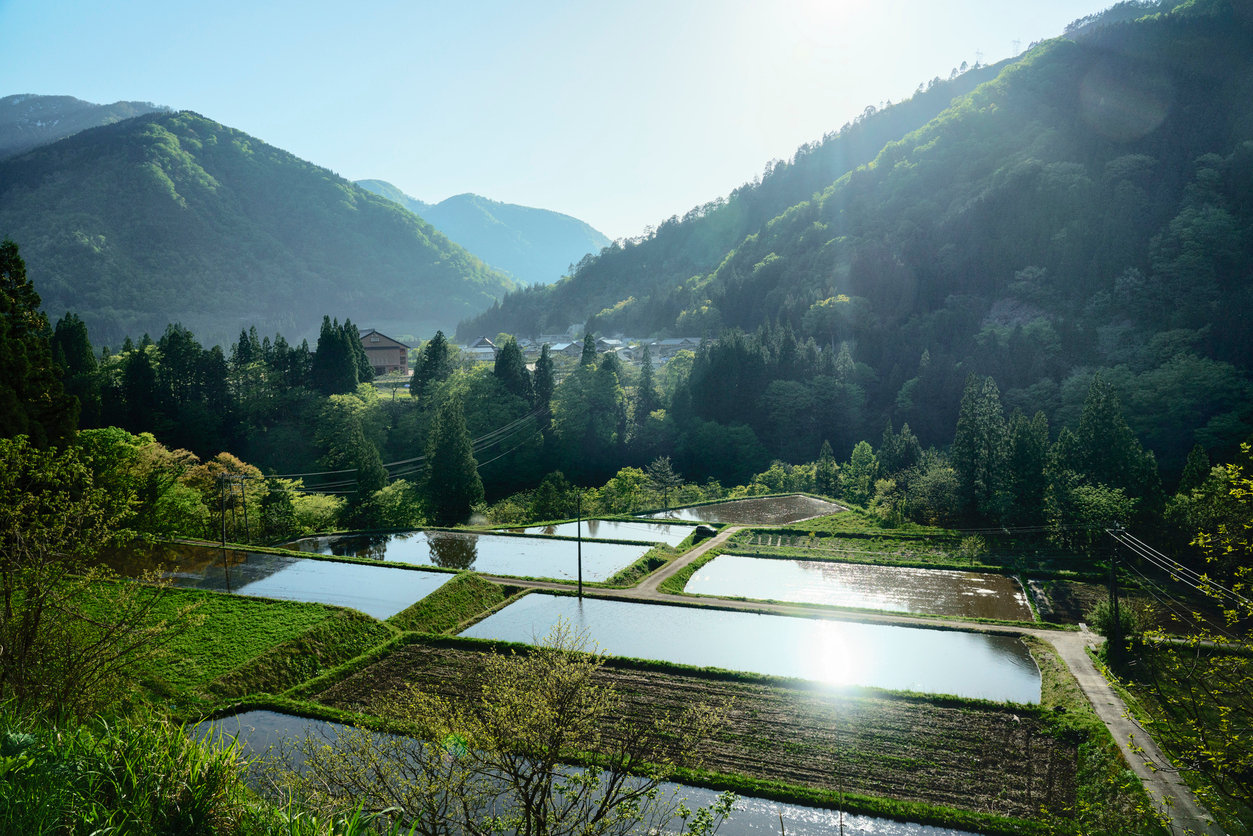 The Charm of Japan’s Lesser-Known Regions
Beyond the neon skylines of Tokyo and Osaka lies a quieter Japan, one defined by its rural landscapes, time-honored traditions, and communities that have preserved their way of life for centuries. These hidden corners invite travelers to experience a deeper connection with the country’s cultural roots and natural beauty.
At BlogBuzz, our team takes you on a journey across Japan’s serene heartlands, uncovering stories that celebrate its authentic, unfiltered charm.
Shikoku – The Island of Pilgrimage and Peace: Home to the legendary 88-temple pilgrimage, Shikoku embodies Japan’s spiritual heritage. Monks and travelers alike walk through tranquil mountains and coastal paths, stopping for prayer and reflection. Locals warmly greet pilgrims with ‘osettai’, gestures of kindness, such as food or shelter, showcasing Japan’s deep-rooted culture of generosity.
Tohoku – Japan’s Northern Soul: Known for its snow-capped mountains and heartfelt hospitality, Tohoku offers a glimpse into Japan’s resilience and beauty. From the Nebuta Festival in Aomori to Sendai’s Tanabata celebrations, the region radiates vibrant energy.
After the 2011 earthquake, visitors found inspiration in the community’s strength, a testament to the human spirit that continues to define northern Japan.Kyushu – The Land of Fire and Healing: With steaming hot springs, volcanic peaks, and samurai-era towns, Kyushu balances natural intensity with calm restoration. Travelers can soak in Beppu’s therapeutic onsen or explore Kagoshima’s active volcano, Sakurajima. It’s a paradise for wellness enthusiasts and nature lovers seeking a restorative escape.
Kansai’s Countryside – The Heart of Heritage: Beyond Kyoto’s temples, rural Kansai reveals a quieter world of terraced tea fields, artisan workshops, and historic post towns. Staying in a kominka (traditional farmhouse) allows visitors to experience Japan’s rural rhythm, slow mornings, local meals, and genuine connection.
Hokkaido – Japan’s Untamed Frontier: Once explored by 19th-century traveler Isabella Bird, Hokkaido remains a vast wilderness of forests, lakes, and Ainu culture. Modern visitors can ski the powdery slopes of Niseko, kayak on Lake Shikotsu, or learn about indigenous traditions, making it an ideal destination for eco-conscious travelers and adventurers.
Chugoku – Where Myth Meets Landscape: The Chugoku region, home to the sacred Izumo Taisha Shrine, blends folklore with natural grandeur. The sand dunes of Tottori and scenic Seto Inland Sea islands make it perfect for history buffs and photography enthusiasts seeking Japan’s quieter, story-filled corners.
Kii Peninsula – Japan’s Spiritual Heartland: The UNESCO-listed Kumano Kodo trails wind through cedar forests and mountain villages, offering a meditative journey once walked by emperors and monks. Here, travelers reconnect with nature, spirituality, and self, the purest essence of Japan’s heritage.
Exploring Japan’s lesser-known regions isn’t just about sightseeing; it’s about rediscovering harmony, tradition, and the human warmth that defines the nation’s soul. For verified travel resources, visit the Japan National Tourism Organization (JNTO).
Can Responsible Tourism Enrich Japan’s Communities?
In a country where ancient wisdom meets modern innovation, sustainable travel is more than a trend — it’s a responsibility. Exploring Japan’s lesser-known regions offers travelers the opportunity to make a real difference while discovering the nation’s authentic beauty. We believe mindful travel connects people, culture, and nature in the most meaningful way.
How Does Visiting Japan’s Smaller Towns Support Local Communities?
When travelers venture beyond Japan’s major cities, their spending has a direct and visible impact. In smaller towns, every guesthouse stay, handmade souvenir, or local meal contributes to sustaining family-run businesses and preserving regional craftsmanship. These communities, often dependent on seasonal tourism, benefit from consistent visitor engagement that keeps traditions alive, from pottery-making to organic farming.
For mature travelers, eco-conscious adventurers, and cultural explorers, this form of tourism offers a rewarding sense of purpose. By participating in community-based tours or volunteering in rural initiatives, visitors become partners in Japan’s cultural continuity rather than just observers.
What Are the Best Ways to Practice Responsible Travel in Rural Japan?
Responsible travel begins with awareness. Simple choices, using public transportation, reducing plastic waste, or supporting eco-lodges, significantly reduce environmental strain. Many local inns (ryokan) and farm stays in rural Japan adopt sustainable practices, such as sourcing ingredients locally and minimizing energy use.
Travelers can also respect cultural etiquette: learning basic Japanese greetings, following waste separation rules, and being mindful of local customs. These small gestures build trust and mutual respect between visitors and hosts, creating lasting positive impressions. For verified travel sustainability guidance, explore Japan’s official government resource on responsible tourism: Japan Tourism Agency – Sustainable Tourism.
How Can Tourists Balance Adventure with Environmental Awareness?
Adventure and sustainability can coexist beautifully. Hiking, cycling, and exploring nature trails are low-impact ways to enjoy Japan’s diverse landscapes. For many travelers, these experiences also rekindle old hobbies, from photography to birdwatching, offering a nostalgic yet mindful way to reconnect with nature. Travelers can join guided eco-tours that promote conservation while sharing knowledge about local biodiversity.
Choosing slower travel, staying longer in one region rather than rushing through multiple cities, helps reduce carbon emissions while deepening cultural appreciation.
Families, couples, and solo travelers alike can discover that sustainable travel enhances personal fulfillment. It transforms a vacation into a meaningful exchange that uplifts both traveler and host.
Japan’s lesser-known regions thrive when travelers choose to tread thoughtfully. Every mindful step supports livelihoods, protects nature, and keeps cultural stories alive, ensuring that the Japan we admire today remains vibrant for generations to come.
Summary
Japan’s magic often lies beyond the bright lights and tourist trails, in quiet villages, misty forests, and heartfelt traditions that reveal the nation’s deeper soul. These lesser-known places invite you to slow down, listen, and connect with stories that rarely make it to the headlines.
At BlogBuzz, we celebrate journeys that go beyond sightseeing, those that spark curiosity, empathy, and a genuine love for culture. As you plan your next adventure, ask yourself: What kind of traveler do you want to be: a visitor, or a participant in the world’s unfolding stories?
Keep exploring, keep learning, and let your travels remind you that discovery is as much about people as it is about places.
Stay curious. Travel deeper. Discover more with BlogBuzz.