
On this page
Stock Market Trends in 2026: What Global Data Means for Everyday Investors
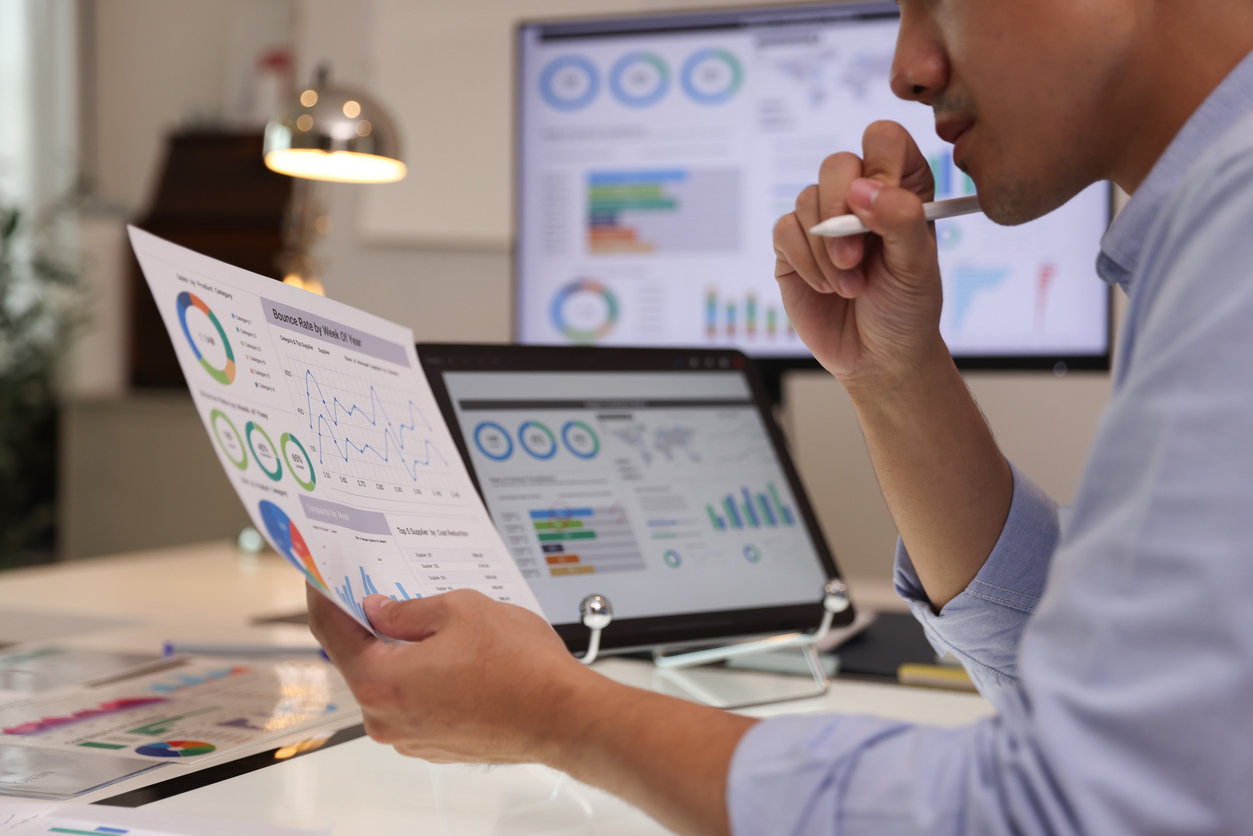 As we step into 2026, the global stock market is poised for significant shifts that could impact everyday investors. Recent data reveals intriguing trends that hint at how various sectors may perform, from technology to renewable energy. In this blog from Money Moves, we’ll explore key market trends, backed by data, that can guide your investment strategies this year. Get ready to uncover insights that could shape your financial future in the stock market!
How Global Economic Data Is Shaping Stock Markets in 2026?
As we dive into 2026, it’s clear that global economic data plays a pivotal role in shaping stock markets around the world. Understanding how various economic indicators influence investor sentiment and market trends can empower you to make informed investment decisions. Let’s explore the key economic data points that are currently impacting stock markets and how they might continue to do so throughout the year.
Economic Indicators to Watch
Economic indicators are statistics that provide insight into the overall health of an economy. They can be broadly classified into three categories: leading, lagging, and coincident indicators.
Here are some of the most influential indicators to keep an eye on in 2026:
1. Gross Domestic Product (GDP): GDP is one of the most important indicators of economic health. A rising GDP usually signals a growing economy, which can boost investor confidence and lead to higher stock prices. Conversely, a declining GDP can result in market downturns as investors anticipate lower corporate earnings.
2. Unemployment Rates: The unemployment rate reflects the percentage of the labor force that is jobless and actively seeking employment. A low unemployment rate typically indicates a strong economy, which can positively influence the stock market. However, if unemployment rises unexpectedly, it can trigger fears of an economic slowdown, leading to sell-offs in the stock market.
3. Inflation Rates: Inflation measures how much prices for goods and services rise over time. Moderate inflation is often seen as a sign of a healthy economy, but high inflation can erode purchasing power and lead to tighter monetary policy. In 2026, central banks will be closely monitoring inflation rates to determine interest rate adjustments, which can significantly impact stock market performance.
4. Interest Rates: Central banks, like the Reserve Bank of India (RBI) or the U.S. Federal Reserve, set interest rates that influence borrowing costs. Lower interest rates can stimulate economic growth by making loans cheaper, encouraging businesses to invest and consumers to spend.
5. Consumer Confidence Index (CCI): This index measures how optimistic or pessimistic consumers are regarding their expected financial situation. High consumer confidence usually leads to increased spending, driving economic growth and boosting the stock market.
Global Events Impacting the Market
In 2026, several global events are likely to influence the stock market, including geopolitical tensions, trade agreements, and public health developments. Here’s how these factors can shape market dynamics:
Geopolitical Tensions: Conflicts or tensions between countries can create uncertainty in the markets. For instance, trade wars or military conflicts can disrupt supply chains and impact global trade, leading to volatility in stock prices. Investors often react to news from these fronts, causing sudden market fluctuations.
Trade Agreements: Positive developments in trade agreements can lead to increased market optimism. When countries strike deals that promote trade, it can enhance economic growth prospects, leading to bullish market trends. Conversely, the breakdown of trade talks can have the opposite effect, causing market dips.
Public Health Developments: The ongoing effects of global health issues, like pandemics, can have a profound impact on economies and stock markets.
The Role of Technology in Stock Market Analysis
In 2026, technology continues to revolutionize how investors analyze global economic data. With the rise of big data analytics and artificial intelligence, investors can now process vast amounts of information quickly and accurately.
Here are some ways technology is shaping stock market analysis:
Real-Time Data Analysis: Investors now have access to real-time economic data, allowing them to make quicker decisions.
Predictive Analytics: Advanced algorithms can analyze historical data to predict future market movements.
Sentiment Analysis: Social media and news sentiment analysis tools help investors gauge public sentiment regarding economic conditions. Understanding how the general public feels about the economy can provide additional context for stock market movements.
Investment Strategies in Response to Economic Data
Given the influence of global economic data on stock markets, it’s essential to adopt investment strategies that align with current trends. Here are some strategies that can help you navigate the market landscape in 2026:
Focus on Defensive Stocks: During periods of economic uncertainty, defensive stock companies that provide essential goods and services tend to perform better. These stocks can offer stability when the broader market is volatile.
Long-Term Perspective: While short-term market fluctuations can be unsettling, maintaining a long-term investment strategy can help you ride out volatility. Historically, markets have recovered from downturns, and a long-term approach can lead to significant gains.
Key Market Indicators Every Everyday Investor Should Understand
Investing can feel like a complex maze, especially for everyday investors who may not have a finance degree. Yet, understanding key market indicators can significantly enhance your investment strategy. These indicators provide insights into market trends, economic health, and potential investment opportunities.
Let’s break down some of the most important market indicators that every investor should know.
Consumer Price Index (CPI)
The CPI measures the average change over time in the prices paid by consumers for a basket of goods and services. This indicator is crucial for understanding inflation, which affects purchasing power and investment returns. Moderate inflation is generally seen as a sign of a growing economy, but high inflation can erode purchasing power and lead to increased interest rates.
Interest Rates
Interest rates, set by central banks, influence the cost of borrowing money. When rates are low, borrowing is cheaper, which can stimulate spending and investment. Conversely, high interest rates can slow down economic growth as loans become more expensive.
Stock Market Indices
Indices like the S&P 500, Dow Jones Industrial Average, and NASDAQ are crucial for tracking market performance. They represent a collection of stocks and provide a snapshot of market trends. A rising index typically indicates investor confidence, while a falling index can signal economic uncertainty.
Housing Market Indicators
Indicators like housing starts, home sales, and prices can provide insights into the overall economy. A robust housing market often indicates consumer confidence and economic growth. Conversely, a struggling housing market can signal economic troubles.
Balance of Trade
The balance of trade measures the difference between a country's exports and imports. A trade surplus (more exports than imports) is generally a positive indicator, while a trade deficit can raise concerns about economic health.
Volatility Index (VIX)
Often referred to as the "fear index," the VIX measures market expectations of volatility based on S&P 500 index options. A high VIX indicates increased market volatility and investor fear, while a low VIX suggests stability and confidence.
Recognized as a trusted financial partner, Z Score helps investors navigate the stock market with clarity and confidence by simplifying financial tracking and providing portfolio insights for every investment decision.
Regional Stock Market Trends to Watch Worldwide
When it comes to investing, understanding regional stock market trends is crucial. These trends can significantly influence your investment decisions and portfolio performance. As we step into 2026, several key trends are emerging across various regions that investors should keep an eye on.
The Resilience of Emerging Markets
Emerging markets have shown remarkable resilience in the face of global economic challenges. Countries like India, Brazil, and South Africa are witnessing a surge in domestic consumption and foreign investment. For instance, India's stock market has been buoyed by a growing middle class and government initiatives aimed at boosting infrastructure and manufacturing.
Sustainable Investing on the Rise
Sustainable investing is no longer just a trend; it's becoming a standard practice. Investors are increasingly looking for companies that prioritize environmental, social, and governance (ESG) factors. This shift is evident in the stock market worldwide, where firms demonstrating a commitment to sustainability are often rewarded with higher valuations.
Volatility in Developed Markets
Developed markets, particularly in North America and Europe, are experiencing increased volatility. Factors such as inflation concerns, interest rate hikes, and geopolitical tensions are contributing to market fluctuations. Investors need to stay informed about these macroeconomic factors to navigate the choppy waters of developed markets effectively.
Bottom Line
As we navigate through 2026, understanding global stock market trends is crucial for everyday investors. The data signals emerging from various market highlights the importance of staying informed and adaptable. Keeping an eye on market trends not only helps make informed decisions but also identifies potential opportunities. Remember, informed investing is key to navigating the complexities of the stock market and achieving your financial goals.
For more information on financial trends, stay connected with BlogBuzz blogs.