
Breaking the Cycle of Doomscrolling: Causes & Fixes
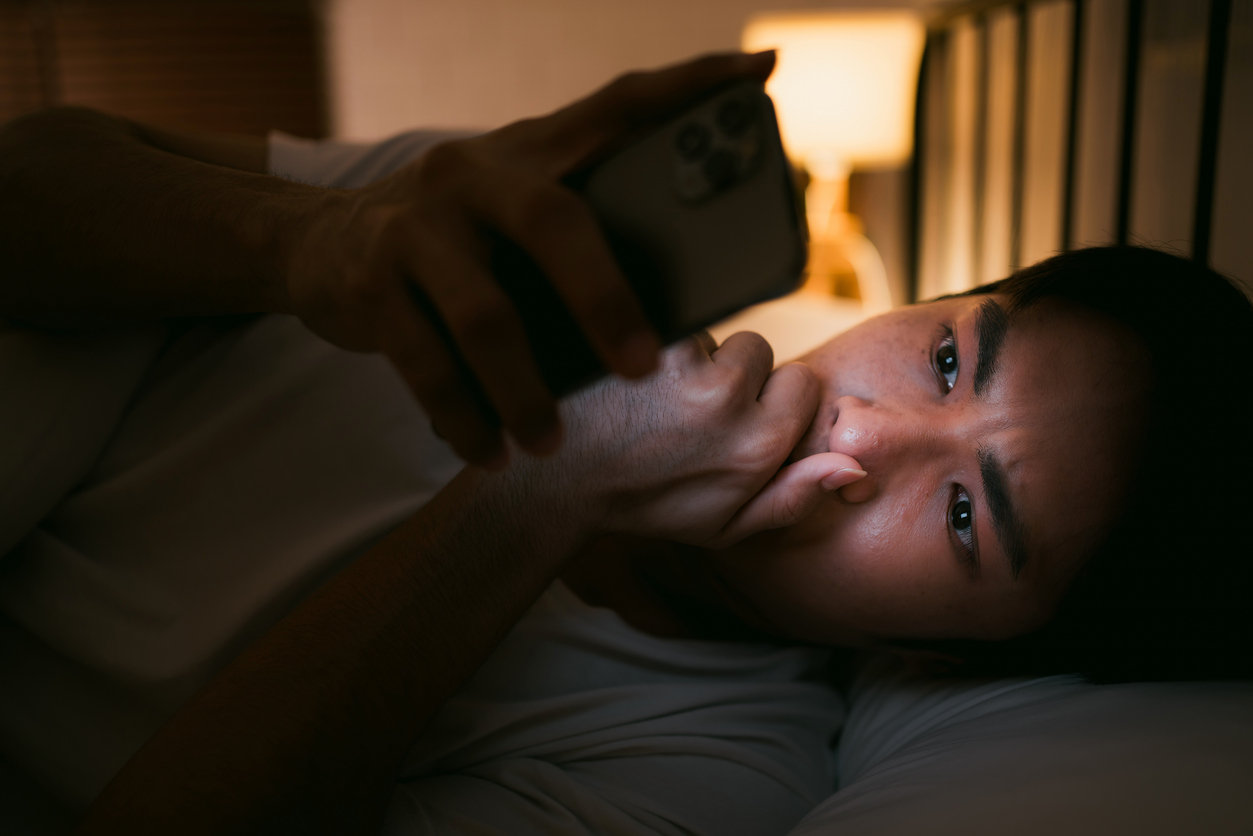
It starts innocently: one quick peek at the news before bed. Suddenly, it’s 2 a.m., your thumb hurts, and you’ve learned way more about global disasters than you ever wanted to. Sound familiar? That’s doomscrolling at work; a sneaky habit that feels impossible to quit.
And you’re not the only one stuck in the doomscrolling scroll. According to a 2022 survey by the American Psychological Association, 67% of adults said that consuming too much negative news online made them feel stressed or anxious. That’s a big clue as to why so many of us spiral into late-night rabbit holes.
In this blog from Human Lens, we’ll unpack why doomscrolling is so addictive, how it impacts mental health, and most importantly, how you can finally break free from the endless scroll cycle.
 What is Doomscrolling? Understanding the Root Cause of Doomscrolling
Doomscrolling is a global behavior fueled by digital habits and mental health triggers. To understand it fully, we need to examine the psychological factors that keep people endlessly scrolling bad news.
What is Doomscrolling in Simple Terms?
The term doomscrolling refers to the habit of continuously consuming negative news online, often late at night, despite its harmful impact on mental health. This behavior spiked during the COVID-19 pandemic, particularly in countries like the United States, India, and the UK, where smartphone usage is high.
According to the U.S. National Institutes of Health (NIH) doomscrolling is associated with heightened anxiety and disrupted sleep cycles. For younger demographics such as Gen Z and Millennials, who spend over 6–7 hours daily on digital devices, this habit can feel almost unavoidable.
Why Do People Doomscroll Despite Knowing It’s Harmful?
At the root of doomscrolling lies anxiety and the fear of missing out (FOMO). Social media algorithms are designed to prioritize sensational, emotionally triggering content, which hooks users into staying longer.
In regions like Europe and Southeast Asia, where access to real-time updates is constant, users report feeling guilty yet compelled to keep doomscrolling. For working professionals, parents, and students, doomscrolling often stems from a desire to “stay informed” but ends up leading to information overload.
Is Doomscrolling Linked to Social Media Addiction?
Yes, doomscrolling is closely tied to addictive design features within social media platforms. Infinite scroll, push notifications, and algorithmic feeds create a cycle of compulsive checking.
Studies across North America and Asia show that dopamine-driven feedback loops make it harder for people to disengage from doomscrolling. This is particularly concerning for audiences like college students, freelancers, and digital-first workers who rely heavily on their devices for both productivity and connection.
Why Is Doomscrolling More Harmful Than Mindless Scrolling?
The difference lies in the emotional impact. Doomscrolling thrives on fear, uncertainty, and FOMO, which lock users in a loop of bad news consumption. Unlike mindless scrolling that might waste time, doomscrolling heightens anxiety and can fuel feelings of hopelessness, especially during global crises like the COVID-19 pandemic.
For digital-first audiences such as Gen Z and Millennials in cities like New York, London, and Bangalore, the emotional weight of doomscrolling makes it significantly more harmful than casual social media browsing.
In essence, doomscrolling is not just about negative content; it’s about how anxiety, FOMO, and addictive tech design collide to trap users in endless cycles of news consumption. By understanding these root causes, readers can start recognizing and reshaping their own doomscrolling habits into healthier ones.
What Are Some Real-Life Examples of Doomscrolling?
Doomscrolling doesn’t look the same for everyone, but the emotional toll is universally recognizable. These examples illustrate how people across different regions, ages, and contexts experience doomscrolling behavior daily.
During Global Health Crises: Think back to the peak of the COVID-19 pandemic. Many in the United States, India, and Italy found themselves glued to infection counts and death toll updates.
The Centers for Disease Control and Prevention, CDC noted a spike in stress and anxiety linked to news overconsumption, especially among healthcare workers and urban professionals. Many people used doomscrolling as a coping mechanism but instead ended up intensifying their fear.
In Times of Political Unrest: From Brexit debates in the UK to election cycles in the U.S., citizens scrolled endlessly through polarized headlines, comment sections, and breaking alerts. Young voters and policy enthusiasts reported feeling drained but unable to disengage from this doomscrolling, believing constant updates equaled control over unpredictable outcomes.
Personal Stress and Career Anxiety: A marketing executive in Singapore or a college student in Canada may engage in doomscrolling about job market trends, layoff announcements, or inflation updates late into the night. For working professionals, this habit often mirrors workplace stress, amplifying feelings of insecurity.
Natural Disasters and Environmental Crises: When wildfires raged across Australia or earthquakes hit Turkey, residents and global watchers alike refreshed live feeds for updates. Here, doomscrolling reflects empathy but also leaves people emotionally exhausted, especially among younger climate-conscious audiences.
Everyday Personal Struggles: Not all doomscrolling is tied to global events. Someone going through a breakup or exam stress might spend hours scrolling self-help threads, negative forums, or health scare stories. This shows how doomscrolling can stem from deeply personal emotional needs.
Hence, doomscrolling takes on many shapes: global, political, professional, or personal, but its emotional grip remains the same. Recognizing these scenarios can help readers see themselves in the pattern and take the first step toward breaking free of doomscrolling.
How Can You Stop Doomscrolling and Build Better Digital Habits?
Breaking free from doomscrolling isn’t about ditching your phone altogether; it’s about learning how to scroll smarter. With the right strategies, anyone can regain control of their digital habits and protect their mental well-being.
What Simple Steps Can Help You Break the Doomscrolling Cycle?
The first step is awareness about doomscrolling. Many Gen Z and Millennial users in top cities like New York, London, and Mumbai admit they lose hours to doomscrolling without noticing.
Start by setting app time limits on platforms like Twitter, TikTok, or Reddit. Use built-in tools on iOS and Android to cap your daily use, creating natural breaks in your doomscrolling cycle.
Research from Health and Human Services shows that setting digital boundaries significantly reduces stress and improves sleep quality.
How Can You Make Your News Feed Less Overwhelming?
Doomscrolling thrives on negativity, so curating your feed is essential. Follow reliable news outlets instead of sensational sources, and balance heavy content with uplifting or educational accounts.
For example, young professionals who rely on digital updates can benefit from subscribing to newsletters or podcasts that summarize daily news, cutting down exposure to endless doomscrolling on breaking updates.
By tailoring what shows up on your screen, you control the tone of your digital experience.
What Healthy Alternatives Can Replace Late-Night Doomscrolling?
Replacing the habit of doomscrolling is as important as breaking it. Instead of spending the last hour of the night scrolling through distressing news, try mindful alternatives like journaling, meditation, or reading short stories.
Communities in Canada, Australia, and the U.S. are increasingly embracing mindfulness apps and screen-free hobbies to manage stress and improve focus.
Even small steps, like leaving your phone outside the bedroom, can drastically reduce the urge to engage in doomscrolling and improve overall mental well-being.
In essence, doomscrolling doesn’t have to control your nights or your peace of mind. By setting limits, curating your feeds, and adopting mindful alternatives, you can reclaim both your time and your mental space.
Wrapping Up
Breaking free from doomscrolling requires awareness, courage, and intentional action. By understanding the psychology behind doomscrolling and applying simple, practical strategies, you can transform your relationship with technology, improve your mental health, and create space for the things that truly matter.
Remember: every small step counts. Setting boundaries, curating your feed, or choosing to disconnect at night are not just digital choices; they are acts of self-care against doomscrolling. You deserve calm, focus, and joy, not endless cycles of stress from your screen.
If this topic about doomscrolling resonates with you, we’d love to keep the conversation going. Reach out to us for more insightful discussions on mental health, digital well-being, and the habits that shape our daily lives. Together, we can build a healthier digital future.