
Solo Dining Is Rising: Why Eating Alone Feels Different Today
 Not long ago, dining alone was often viewed as a fallback rather than a choice. Today, that narrative has shifted dramatically. Across urban spaces and evolving lifestyles, solo dining is becoming a preferred experience rather than an exception.
People are choosing to eat alone, not because they have to, but because they want to. This shift reflects broader changes in how individuals approach independence, time management, and personal well-being. Solo dining is now tied to intention, convenience, and even self-care.
In this blog from Human Lens, we explore why solo dining feels different today, how it compares to traditional social dining, and how businesses are adapting to this growing behavioral shift.
Why Solo Dining Feels Different Today
Solo dining is no longer just about convenience it reflects a deeper cultural and emotional shift in how people relate to food, space, and themselves. What was once perceived as awkward or isolating is now increasingly seen as intentional, empowering, and even desirable.
The Shift from Stigma to Self-Choice
For years, eating alone in public carried subtle social stigma. People often associated solo dining with loneliness or lack of companionship. Today, that narrative is changing. More individuals are choosing to dine alone not because they have to, but because they want to. This shift is driven by evolving lifestyles where independence is valued, and personal time is treated as a necessity rather than a luxury. Solo dining is now seen as an act of self-prioritization an opportunity to slow down and enjoy one’s own company without external expectations.
Urban Lifestyles Are Redefining Dining Habits
Modern urban environments play a significant role in the rise of solo dining. Fast-paced work cultures, long commutes, and flexible schedules mean people are less likely to coordinate meals with others regularly. In cities especially, dining alone fits seamlessly into daily routines. Whether it’s grabbing lunch between meetings or unwinding with dinner after work, solo dining aligns with the rhythm of independent urban living. It offers flexibility without compromising on experience, making it a practical yet fulfilling choice.
Digital Culture Has Normalized Being Alone in Public
Technology has subtly reshaped how comfortable people feel when dining alone. Smartphones, tablets, and laptops act as social buffers, allowing individuals to stay engaged while eating. Whether scrolling through social media, watching content, or even working, people no longer feel the pressure to appear socially occupied. This digital companionship reduces the discomfort that once came with sitting alone in a restaurant. Over time, it has helped normalize solo dining as a socially acceptable and even common behavior.
Solo Dining as a Form of Mindful Living
Another reason solo dining feels different today is its connection to mindfulness and intentional living. Many individuals now view eating alone as a chance to disconnect from noise and reconnect with themselves. Without the distractions of conversation, diners can focus on the taste, texture, and experience of food. This mindful approach transforms a simple meal into a moment of reflection and calm. For some, it becomes a ritual a break from constant interaction and stimulation.
Changing Social Norms and Personal Identity
Society’s evolving perspective on independence and self-identity has also influenced how solo dining is perceived. Being alone is no longer equated with being lonely. Instead, it is often associated with confidence, self-awareness, and emotional independence. People are more comfortable embracing activities on their own, from traveling to attending events. Solo dining reflects a broader cultural acceptance of individuality, where personal preferences take precedence over traditional social expectations.
In essence, solo dining feels different today because it represents more than just eating alone. It embodies freedom, flexibility, and a shift toward self-defined experiences. What was once avoided is now embraced, not out of necessity, but as a conscious lifestyle choice.
Solo Dining vs Social Dining: What’s Changed
Understanding the difference between solo and social dining helps explain why more people are choosing to eat alone. The shift is not about replacing one with the other but recognizing how each experience serves different needs in modern life.
Control vs Compromise
Solo dining offers complete control over the experience. Individuals can choose what they want, when they want it, and how long they stay without coordinating with others. This level of autonomy is especially valuable in busy lifestyles where time is limited.
In contrast, social dining often involves compromise. Decisions around location, cuisine, and timing must accommodate multiple people. While this can enhance shared experiences, it also introduces complexity that solo dining eliminates.
Speed and Efficiency vs Experience and Interaction
One of the key advantages of solo dining is speed. Individuals can eat quickly, making it ideal for professionals, travelers, or anyone with a tight schedule. There is no waiting for others, no extended conversations unless desired, and no delays in decision-making.
Social dining, however, is built around interaction. It is less about efficiency and more about connection. Conversations, shared dishes, and longer stays create memorable experiences but require more time and coordination.
This distinction makes solo dining more practical for everyday use, while social dining becomes more occasional and purpose-driven.
Emotional Needs and Intentions
The intention behind dining plays a major role in choosing between solo and social experiences. Solo dining often fulfills personal needs such as relaxation, focus, or simply taking a break from routine.
On the other hand, social dining fulfills emotional needs related to connection, celebration, and bonding. It is often associated with special occasions or planned gatherings.
Both forms of dining are valuable, but their purposes differ significantly, influencing how frequently each is chosen.
Cost Considerations and Spending Behavior
Spending patterns also vary between solo and social dining. When dining alone, individuals tend to make more intentional choices, focusing on their own preferences and budget.
In group settings, spending may increase due to shared meals, longer stays, or social expectations. This difference makes solo dining a more controlled and often cost-efficient option for regular outings.
Flexibility and Frequency
Flexibility is one of the biggest advantages of solo dining. It requires no planning, making it easy to fit into daily routines. This convenience encourages more frequent dining experiences.
Social dining, by comparison, requires coordination, which can limit how often it happens. As a result, solo dining becomes a practical choice for everyday meals, while social dining is reserved for planned occasions.
How Restaurants Are Adapting to Solo Diners
As solo dining becomes more common, restaurants are adjusting their strategies to better serve this growing audience. From space design to service models, businesses are evolving to meet new expectations.
Designing Spaces for Individual Comfort
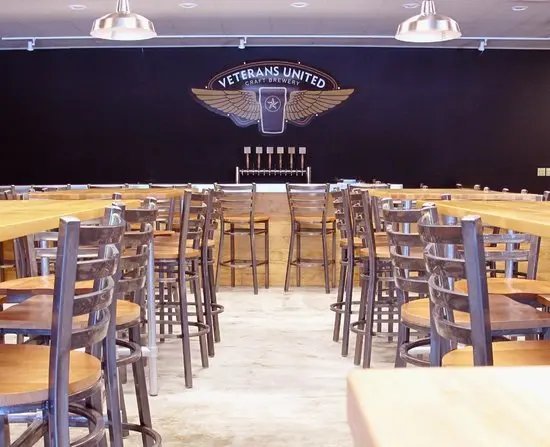
Restaurants are rethinking layouts to accommodate solo diners more effectively. Bar seating, compact tables, and thoughtfully arranged spaces help individuals feel comfortable without being isolated.
Enhancing Speed and Service Efficiency
Faster service options, digital menus, and simplified ordering processes allow solo diners to enjoy a seamless experience that matches their need for efficiency.
Using Technology to Personalize Experiences
Technology is enabling restaurants to offer personalized recommendations, smooth ordering systems, and enhanced engagement, creating a more tailored dining experience for individuals.
Bottom Line
Solo dining is no longer a secondary option; it reflects modern lifestyles and evolving priorities. As individuals seek independence, flexibility, and personal space, eating alone has taken on new meaning.
The contrast between solo and social dining highlights how diverse dining experiences have become. Each serves a different purpose, shaped by individual needs and preferences.
For businesses, adapting to this shift is essential. By understanding solo dining behavior, they can create experiences that are more inclusive, efficient, and aligned with today’s consumer expectations.
Ultimately, solo dining is not about being alone; it is about choice. And that choice is becoming more important than ever. Gain a deeper understanding with Human Lens insights from BlogBuzz.