
On this page
Mid-Term Rentals and Relocation Housing: Meeting Modern Needs
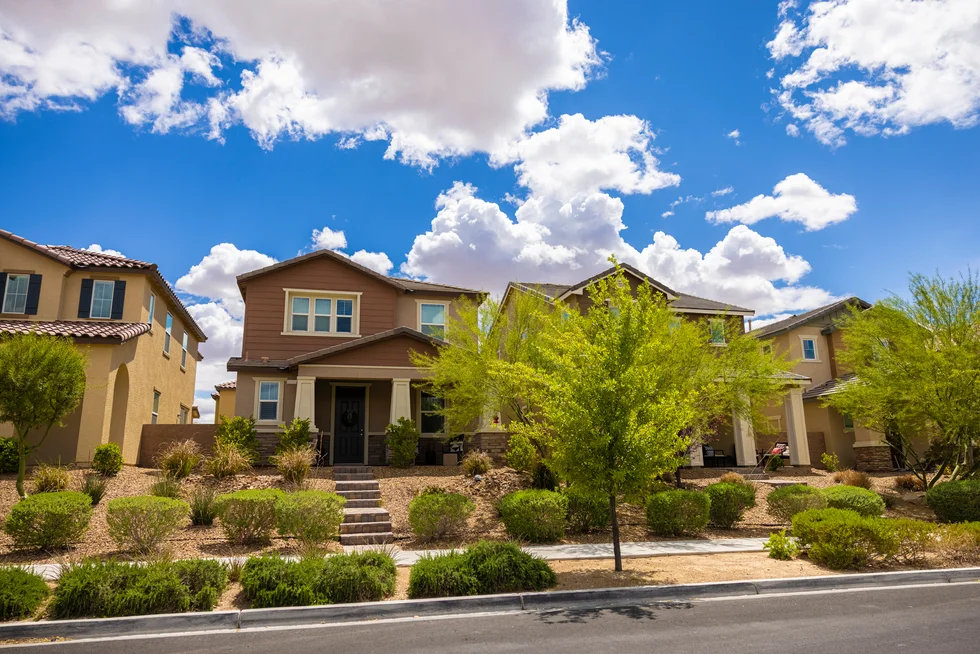 Mid-term rentals are becoming a popular solution for those in transition, whether it’s for job assignments, temporary housing, or family visits. With the rise of remote work and the need for temporary housing, mid-term rentals cater to modern lifestyle changes, providing fully furnished options that feel like home.
In this blog from Real Estate Realm, we’ll explore how mid-term rentals can simplify your relocation experience and meet your unique needs, ensuring you find the perfect place to stay during your transition.
What Are Mid-Term Rentals and Why Are They Gaining Popularity?
Mid-term rentals are a growing trend in the housing market, especially in urban areas where flexibility and convenience are key. These rentals typically span from one month to six months, catering to a diverse range of tenants, including business professionals on temporary assignments, students, digital nomads, and families in transition.
Understanding Mid-Term Rentals
So, what exactly qualifies as a mid-term rental? Unlike traditional leases that last for a year or more, or short-term rentals that cater to vacationers, mid-term rentals fill a unique niche. They offer the comforts of home without the long-term commitment. While mid-term rentals provide the perfect solution, offering fully furnished spaces with utilities included, allowing tenants to settle in without the hassle of setting up a new home.
The Rise in Popularity
Several factors contribute to the rising popularity of mid-term rentals:
1. Flexibility: In today’s fast-paced world, people value flexibility. Mid-term rentals allow tenants to adjust their living situations without being tied down to lengthy contracts. This is especially appealing to professionals who might be on temporary assignments or to families who need time to find the right long-term home.
2. Cost-Effectiveness: For many, mid-term rentals can be more cost-effective than traditional leases. They often come fully furnished and equipped with essential amenities, which can save tenants the expense of buying furniture or paying for utilities separately.
3. Work-from-Home Culture: The shift toward remote work has led to an increase in demand for flexible living arrangements. Many people are seeking new environments that inspire productivity, and mid-term rentals in different cities or regions can offer a refreshing change of scenery.
4. Increased Mobility: As the gig economy grows, more individuals are embracing a lifestyle that allows them to move frequently. Mid-term rentals cater to this demographic, providing a home base that’s easy to leave behind when the next opportunity arises.
5. Travel and Tourism: While short-term rentals cater to tourists, mid-term rentals attract a different crowd. Business travelers, for instance, often prefer the comfort of a home-like environment over a hotel room for extended stays.
Benefits of Mid-Term Rentals
Mid-term rentals come with a range of benefits that appeal to both tenants and property owners.
For Tenants:
Convenience: Fully furnished and equipped, mid-term rentals allow you to move in and start living without the hassle of setting up a home.
Community: Many mid-term rental properties are located in vibrant neighborhoods, providing opportunities to connect with locals and other tenants.
Privacy: Unlike shared accommodations or hostels, mid-term rentals offer a private space to unwind after a long day.
For Property Owners:
Higher Returns: Property owners can often charge a premium for mid-term rentals compared to long-term leases, maximizing their investment.
Reduced Vacancy Rates: With the demand for flexible living arrangements on the rise, property owners can expect fewer vacancies and a steady stream of income.
Diverse Tenant Pool: Mid-term rentals attract a variety of tenants, from business professionals to families, which can reduce the risk of prolonged vacancies.
Challenges to Consider
While mid-term rentals offer numerous advantages, they're not without challenges. Property owners need to be aware of local regulations regarding short-term and mid-term rentals, as laws can vary significantly by location. Maintaining a property for short stays can require more frequent cleaning and upkeep compared to long-term rentals.
Balancing Profitability and Tenant Satisfaction in Mid-Term Leasing
Navigating the world of mid-term leasing can feel like walking a tightrope. On one side, you’ve got the need for profitability, and on the other, the essential goal of keeping tenants happy. Both are crucial for a successful leasing business, and finding the right balance between them can make all the difference in your bottom line. So, how do you achieve that harmony? Let’s break it down.
Understanding Mid-Term Leasing
Mid-term leasing typically refers to rental agreements that last anywhere from one month to a year. This type of leasing appeals to a diverse group of tenants, including professionals on temporary assignments, students, or those in transition between homes. The flexibility it offers is attractive, but it also comes with its own set of challenges.
The Profitability Factor
Profitability in mid-term leasing hinges on several factors:
1. Rental Pricing: Setting the right rent is crucial. You want to attract tenants without undervaluing your property. Research the local market to find competitive rates. Tools like rental comparison websites can provide insights into what similar properties are charging.
2. Occupancy Rates: Keeping your units occupied is vital. High vacancy rates can quickly eat into your profits. Consider offering incentives for longer leases or discounts for referrals to maintain steady occupancy.
3. Maintenance Costs: Regular maintenance can help avoid costly repairs down the line. However, it’s essential to balance these costs with your rental income. Implementing preventative maintenance measures can save you money and keep tenants satisfied.
Tenant Satisfaction: The Heart of Retention
While profitability is important, tenant satisfaction shouldn't be overlooked. Happy tenants are more likely to renew their leases and recommend your property to others. Here are some ways to enhance tenant satisfaction:
1. Responsive Communication: Make it easy for tenants to reach you. Whether it’s through phone, email, or a dedicated tenant portal, prompt responses to inquiries and maintenance requests can significantly boost satisfaction.
2. Quality Amenities: Consider what amenities your property offers. High-speed internet, laundry facilities, and communal spaces can make a big difference. Even small touches, like providing welcome packs or organizing community events, can enhance the tenant experience.
3. Flexible Lease Terms: Offering flexible leasing options can attract a broader range of tenants. For instance, allowing month-to-month leases or accommodating special requests can set you apart from competitors.
4. Regular Feedback: Don’t hesitate to ask your tenants for feedback. Surveys or casual check-ins can provide valuable insights into their needs and preferences, allowing you to make informed decisions that enhance their living experience.
Striking the Right Balance
Achieving a balance between profitability and tenant satisfaction requires a strategic approach. Here are some actionable steps to help you find that equilibrium:
Create a Tenant-Centric Culture: Foster a culture that prioritizes tenant needs. Train your staff to prioritize tenant satisfaction while also being mindful of the financial implications of their decisions.
Innovative Solutions: Consider implementing technology solutions that streamline operations. Automated rent collection, maintenance tracking, and tenant communication platforms can save time and improve the tenant experience.
Operating across key real estate markets, Midstay Management LLC specializes in managing mid-term rental properties, offering investors and property owners expertly maintained spaces that strike a balance between modern comfort and long-term value.
How Landlords Can Capitalize on Mid-Term Rentals?
Mid-term rentals are becoming increasingly popular among landlords looking to diversify their income streams. These rentals typically range from one month to a year, appealing to a wide variety of tenants, including corporate professionals, students, and families in transition. If you're a landlord considering this option, here’s how you can effectively capitalize on mid-term rentals.
Understanding the Rental Market
Before jumping in, it’s crucial to understand what mid-term rentals entail. Unlike traditional long-term leases, mid-term rentals offer flexibility, attracting a diverse tenant pool.
Setting the Right Rental Price
Pricing your mid-term rental appropriately is key to attracting tenants while ensuring profitability. Research similar properties in your area to gauge average rental prices. Consider factors such as:
Location: Proximity to workplaces, schools, and amenities can justify higher rates.
Furnishings and amenities: Properties that come fully furnished or offer desirable amenities often command higher prices.
Market demand: Seasonal fluctuations can impact pricing, so stay informed about local market trends.
Offering Flexible Lease Terms
Flexibility is one of the main attractions of mid-term rentals. Consider offering various lease options to cater to different needs. For instance, you might provide:
Shorter notice periods: This can be appealing to tenants who may have uncertain timelines.
Flexible move-in dates: Allowing tenants to choose their move-in date can make your property more attractive.
Understanding Legal and Regulatory Considerations
Before listing your property as a mid-term rental, familiarize yourself with local laws and regulations. This includes:
Zoning laws: Ensure your property is zoned for rental use.
Licensing requirements: Some areas require landlords to obtain specific licenses for short- and mid-term rentals.
Tax implications: Understand how rental income is taxed in your jurisdiction, and consider consulting a tax professional.
Leveraging Technology for Efficiency
In today’s digital age, technology can greatly streamline the management of mid-term rentals. Consider using:
Property management software: These tools can help you track bookings, manage finances, and communicate with tenants.
Smart home devices: Offering features like smart locks or thermostats can enhance tenant convenience and security.
Online payment systems: Simplifying rent collection can improve cash flow and reduce late payments.
Wrapping Up
Mid-term rentals are transforming the way we approach relocation. They offer flexibility and convenience for those navigating transitions, whether for work, study, or personal reasons. As more people seek adaptable living solutions, mid-term rentals stand out as a practical choice, blending the comforts of home with the freedom of short-term stays. Reach out to the BlogBuzz blog to explore mid-term rentals to find the perfect fit for your modern lifestyle and relocation needs.