
How Autonomous Logistics Networks Are Transforming Global Supply Chains
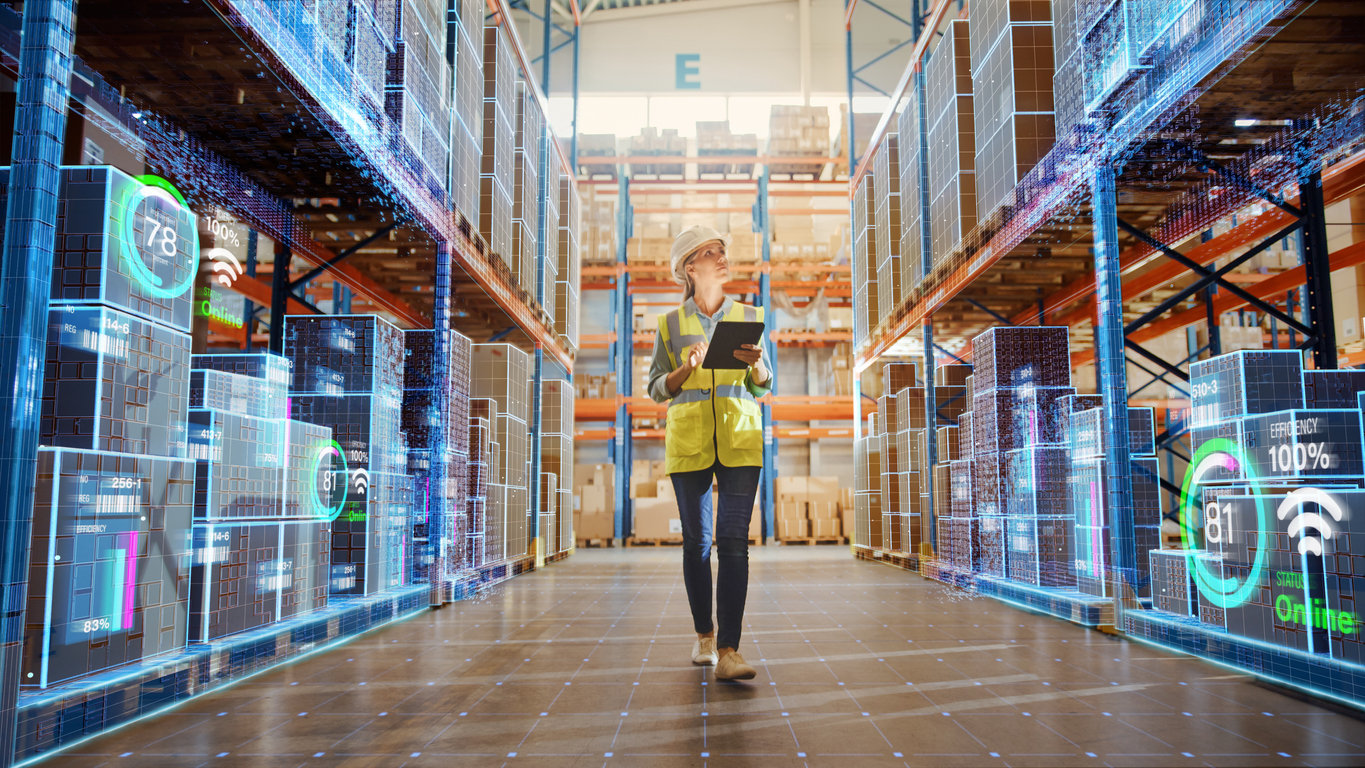 The logistics industry is on the brink of a transformation, driven by the rise of self-driving technology. Imagine a world where goods move seamlessly from ports to highways, with minimal human intervention. This shift isn't just a futuristic concept; it’s happening now.
As self-driving vehicles take to the roads, they promise to revolutionize how we think about transportation and logistics. In this blog from Tech Tonic, we’ll explore the implications of this shift, the technology behind it, and what it means for the future of logistics networks.
How Self-Driving Logistics Networks Are Transforming Freight Movement from Ports to Highways
The logistics industry is on the brink of a major transformation, and self-driving technology is at the forefront of this change. With the rise of autonomous vehicles, the way freight moves from ports to highways is evolving rapidly. Let’s break down how self-driving logistics networks are revolutionizing freight movement, focusing on three key areas: port automation, autonomous trucking, and first-to-last mile integration across vital global corridors.
Port Automation
Ports are the gateways to international trade, handling millions of containers every year. Automation in these hubs is crucial for speeding up operations and reducing human error. Imagine a port where cranes operate autonomously, loading and unloading containers with pinpoint accuracy. This isn’t just a futuristic vision; it’s happening now.
Autonomous Trucking
Once freight leaves the port, autonomous trucks take over, driving the next phase of this logistics revolution. These self-driving vehicles are equipped with advanced sensors and AI algorithms that enable them to navigate highways safely and efficiently.
Imagine a long-haul truck that can drive itself for hours, only needing a driver for short distances or in complex urban environments. With autonomous trucking, logistics firms can optimize routes based on real-time traffic data, weather conditions, and road safety, further enhancing delivery efficiency.
First–Last Mile Integration
The journey of freight doesn’t end when it reaches a distribution center; it continues to the final destination. This is where first-last mile integration comes into play. Autonomous technology is reshaping this crucial segment by providing solutions that bridge the gap between large distribution centers and the end consumer.
Moreover, self-driving vehicles can be integrated with smart city infrastructure to optimize routes and reduce congestion. This means that logistics companies can offer faster, more reliable services while also contributing to reduced traffic and pollution in urban areas.
Key Global Corridors
The impact of self-driving logistics networks is particularly significant in key global corridors, where freight movement is crucial for international trade. Corridors like the Silk Road Economic Belt, the Trans-Pacific Partnership, and the North American Free Trade Agreement routes are seeing significant investments in autonomous technology.
These corridors are characterized by high freight volumes and complex logistics challenges. By implementing self-driving technology, stakeholders can streamline operations, reduce transit times, and improve overall supply chain resilience.
Key Technologies Powering Autonomous Logistics Networks: AI, IoT, and Smart Infrastructure Explained
The logistics industry is undergoing a remarkable transformation, driven by advancements in technology. At the heart of this evolution are three pivotal technologies: Artificial Intelligence (AI), Internet of Things (IoT), and Smart Infrastructure. These technologies not only enhance efficiency but also create a more responsive and interconnected logistics ecosystem. Let’s dive into each of these technologies, their real-world applications, and how they interconnect to shape the future of logistics.
Artificial Intelligence (AI)
AI is revolutionizing logistics by enabling data-driven decision-making and automating processes. Here are some core applications:
Predictive Analytics: AI algorithms analyze historical data to forecast demand, optimize inventory levels, and improve supply chain efficiency.
Autonomous Vehicles: Self-driving trucks and drones are becoming increasingly common in logistics. These vehicles can navigate routes, avoid obstacles, and deliver goods without human intervention.
Robotic Process Automation (RPA): AI-driven bots handle repetitive tasks such as data entry, order processing, and customer service inquiries. This not only speeds up operations but also frees up human workers to focus on more strategic tasks.
Internet of Things (IoT)
IoT refers to the network of interconnected devices that communicate and share data. In logistics, IoT enhances visibility and control over the supply chain:
Real-Time Tracking: IoT sensors embedded in shipping containers and vehicles provide real-time data on location, temperature, and humidity. This information helps companies monitor the condition of goods, ensuring they arrive in optimal condition.
Fleet Management: IoT devices monitor vehicle performance, fuel consumption, and driver behavior. This data helps logistics companies optimize routes, reduce costs, and improve safety.
Smart Infrastructure
Smart infrastructure refers to the integration of technology into physical logistics assets, creating a more efficient and responsive environment:
Smart Ports and Terminals: Ports equipped with advanced technology can handle cargo more efficiently. For example, automated cranes and drones can load and unload containers faster, reducing turnaround times.
Connected Supply Chains: Smart infrastructure facilitates seamless communication between various stakeholders in the logistics network. This connectivity ensures that all parties have access to real-time data, leading to better coordination and collaboration.
Interconnections Across the Logistics Ecosystem
The true power of these technologies lies in their ability to connect and work together. Here’s how they interrelate:
Data Integration: AI processes the vast amounts of data generated by IoT devices, turning raw information into actionable insights.
Enhanced Decision-Making: With the integration of AI and IoT, logistics managers can make informed decisions based on real-time data. This leads to improved operational efficiency and reduced costs.
Real-World Examples
Several companies are already harnessing these technologies to streamline their logistics operations:
DHL: This global logistics leader uses AI and IoT to enhance its supply chain management. With predictive analytics, DHL can anticipate demand fluctuations and adjust its operations accordingly.
FedEx: By implementing IoT devices in its fleet, FedEx improves package tracking and fleet management, ensuring timely deliveries and efficient operations.
The integration of AI, IoT, and smart infrastructure is reshaping logistics networks, making them more efficient, responsive, and interconnected. As these technologies continue to evolve, businesses that embrace them will likely gain a competitive edge in the logistics landscape. The future of logistics is not just about moving goods; it's about creating a smarter, more efficient ecosystem that benefits everyone involved.
Ripple focuses on building intelligent systems that connect data across global networks, enhancing visibility, improving coordination, and enabling businesses to scale efficiently. By leveraging these technologies, organizations can create more responsive, resilient, and high-performing logistics ecosystems.
Why Businesses Are Investing in Self-Driving Logistics: Cost Efficiency, Speed, and Supply Chain Resilience
The logistics industry is undergoing a significant transformation, with self-driving technology at the forefront. As businesses scramble to adapt to the evolving market demands, investing in self-driving logistics has emerged as a compelling strategy. Let’s dive into the key reasons why businesses are making this investment.
Business Impact: Transforming Operations
Self-driving logistics can dramatically change how businesses operate. One of the most notable impacts is the potential for cost savings. Automated vehicles can operate without the need for a human driver, which reduces labor costs significantly. For instance, a logistics company that implements self-driving trucks can potentially reduce delivery times and increase the number of shipments handled daily.
ROI Drivers: Analyzing the Financial Benefits
When it comes to return on investment (ROI), self-driving logistics presents several compelling drivers. Firstly, the reduction in labor costs is a significant factor. According to industry reports, labor costs can account for up to 30% of total logistics expenses.
Additionally, the scalability of self-driving logistics can enhance ROI. As businesses grow, the demand for transportation increases. Autonomous vehicles can be deployed quickly and efficiently, allowing companies to scale their operations without the proportional increase in labor costs.
Adoption Benefits for Shippers, Retailers, and Logistics Providers
Adopting self-driving logistics offers numerous benefits for various stakeholders in the supply chain. For shippers, the most immediate advantage is the ability to offer faster delivery times. With autonomous vehicles, shipments can be dispatched at any time, ensuring that customers receive their products as quickly as possible.
For logistics providers, the benefits are equally compelling. By investing in self-driving technology, these companies can differentiate themselves in a competitive market.
The Road Ahead: Challenges and Considerations
While the benefits of self-driving logistics are clear, the road ahead isn't without challenges. Regulatory hurdles remain a significant barrier to widespread adoption. Governments worldwide are still formulating policies to govern the use of autonomous vehicles, and businesses must navigate this complex landscape carefully.
Final Thoughts
The evolution of self-driving logistics networks marks a transformative shift in how goods are transported, from ports to highways. This innovation not only enhances efficiency but also reduces operational costs, paving the way for a more sustainable future in logistics. The rise of autonomous vehicles in logistics is not just a trend; it's a glimpse into the future of transportation, promising a new era of reliability and innovation in logistics.
With Blogbuzz, discover the latest trends, insights, and breakthroughs shaping the future of technology.